
Behavior Modification
Did We Really Stop Caring?
When the world’s problems become overwhelming, shutting down can seem easier than feeling the pain. Not caring may actually be a form of self-protection. However, whether...











 There really is no explanation nor prescription for loving, for being with and available to those you love until the last breath and then on. And there is no one way to provide the best possible care for your loved one or for yourself and others who are the caregivers.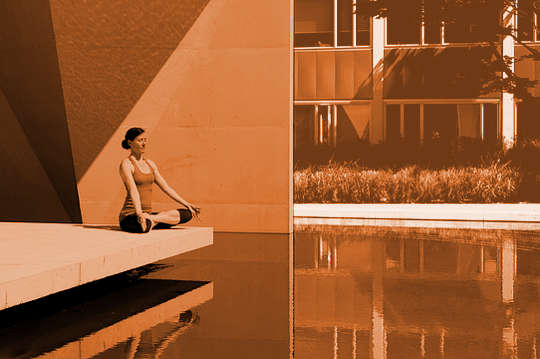
 "There is a gift behind each disappointment and sadness." These are words my mother spoke to me countless times growing up. But we need to trust that a gift will come. This trusting can be difficult though, especially when it appears over time that no gift is coming.
 How you breathe reflects your self-esteem. How you breathe directly correlates to your enjoyment and satisfaction in life. If you breathe deeply, you imbibe of life and what it has to offer. If you are a shallow breather, perhaps you are not confident and feeling safe.
 Acceptance is a major theme of world religions. In modern life, however, acceptance is tension-filled and problematic. The urge to fix, change, and improve pops up at every turn. Reinhold Neibuhr summed up this tension in his Serenity Prayer, written in 1934: 'God, grant me the serenity to accept the things I cannot change...'
 I know what it’s like to live my life on that runaway train. One day I’m nervous about a deadline. Then I meet the deadline, everyone’s happy with my work, and I’m immediately anxious about money . . . or a conversation I need to have . . . or a hundred other things that are waiting in the wings to keep me in a constant state of anxiety.
 Modern neuroscience has now found that altruism brings us happiness in addition to being a stress reliever. This mirrors Buddhist teachings. Through our meditations and practice of loving-kindness and compassion, we gradually come into an experiential sense of our basic goodness.
  By the time we are adults, we have so much writing on our walls and we have so many old wounds from unresolved experiences that many of our responses are automatically negative. They perpetuate events that are not the best outcome and instead, they serve only to reinforce our initial learning from a time long ago.
 Once you decide to see only love, you can relinquish judgment and see people for what they are. In the end, everyone benefits, including you. As it says in A Course in Miracles, “You have no idea of the tremendous release and deep peace that comes from meeting yourself and your brothers totally without judgment.”
 The ability to manifest your vision for ultimate health and happiness is one of the most overlooked tools in creating permanent change. Most of us stopped using our imaginations a long time ago and have become ignorant to the power that lies within us, the power to shape our reality.
 Remember that the goal of this teaching is to facilitate the lessons of unconditional love and acceptance. There is no possibility of accomplishing this toward others if you have not first learned how to unconditionally accept yourself. Here are seven steps to lead you in that direction...
 Just because some inner voice in your head tells you that you are unworthy, unlovable, a loser, or whatever mean “sandbox name” it wants to call you, it doesn’t mean that it’s a fact or even based in reality. You have the power to challenge and change a negative thought always, as harsh or brutal as it may be.
 You don’t have to create adverse circumstances to find a reason to do what you wish to do or avoid what you do not wish to do. Just be honest. If you have a difficult decision before you, ask yourself, “What am I hoping will happen?” In the answer is your guide to your likely best path.
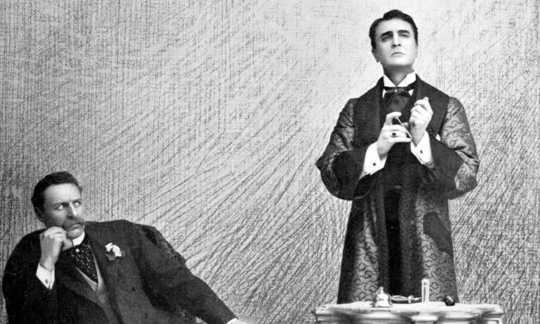
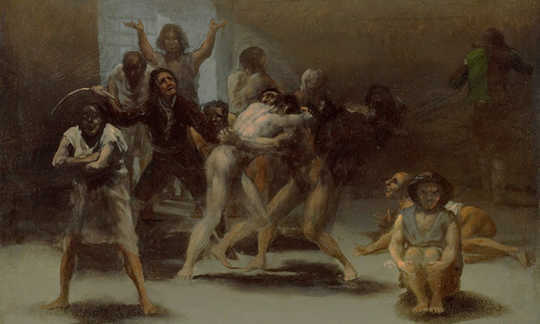
 The best way to understand Gandhi's philosophy of nonviolence is to first understand the extent of the violence we practice, consciously or unconsciously, every day of our lives -- name-calling, teasing, insulting, disrespectful behavior. These are passive forms of violence.